

Kekini Mahal
The Kekini Mahal is a historically significant building located in Machilipatnam (Bandar), Krishna District, Andhra Pradesh. It is known for its architectural elegance and its connection to the region’s rich colonial and trading history. Machilipatnam, being a major port town on the Bay of Bengal, was a hub for European traders including the Dutch, British, and French, and structures like Kekini Mahal reflect the cultural and architectural influences of that era. Kekini Mahal is believed to have served as a residential palace or administrative building during the colonial period. The structure showcases a blend of European and local architectural styles, with features such as high ceilings, decorative arches, ornate pillars, and spacious verandahs that were common in buildings meant for affluent residents or officials. Its design also reflects practical adaptations for the coastal climate, including ventilation and natural light considerations. Though it is not as widely visited as some other landmarks in Machilipatnam, Kekini Mahal holds historical and cultural value for the town. It is an important reminder of the colonial legacy, trade history, and architectural evolution of Machilipatnam. Visitors interested in history, architecture, and the colonial past of Andhra Pradesh often include Kekini Mahal in their exploration of the town, along with other sites such as Bandar Fort and Machilipatnam Lighthouse.
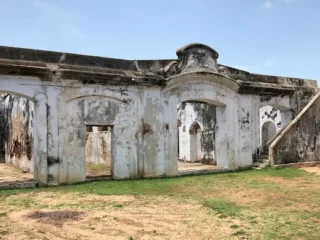
Bandar Fort
The Bandar Fort, also known as Machilipatnam Fort, is a historic landmark located in Machilipatnam, Krishna District, Andhra Pradesh. Built during the Dutch and later European colonial period, this fort stands as a testament to the town’s strategic importance as a coastal trading port on the Bay of Bengal. Historically, Machilipatnam (also called Bandar) was an important center for textile trade, spices, and European commerce, and the fort played a key role in protecting the town and its trading interests from invaders and rival colonial powers. The fort’s architecture reflects a combination of Indo-European design, with robust walls, watchtowers, and gateways constructed to withstand attacks. Though much of the fort has been lost to time and coastal erosion, remnants of the stone walls and bastions still convey its historical significance. It served as a defensive structure for controlling access to the port and safeguarding the merchants, residents, and goods within the town. The Bandar Fort is not only important for its military and historical value but also for its connection to the rich cultural heritage of Machilipatnam. During its heyday, the fort witnessed the arrival of Dutch, British, and French traders, and its location near the sea allowed it to become a bustling hub of commerce. Today, it attracts history enthusiasts, tourists, and students who are keen to explore the remnants of colonial-era architecture and the story of Machilipatnam as an important maritime trade center.

The Lighthouse
Coloured in the bands of black and white, the lighthouse is a popular place to visit in Machilipatnam. The structure is 50-metre tall and is nestled on Machilipatnam beach offering a gorgeous sight to the viewers. While the renovation took two years to complete and was finished in the year of 1984, you can easily observe the beacon on the top of the house in the room called cupola that plays a crucial role in the war. Make sure you do not miss out on visiting this must-visit attraction that serves as the safe haven for the marines.